Germany’s Most Atmospheric Villages: Places That Feel Like a Living Fairytale
7/27/20252 min read
Quedlinburg (Saxony-Anhalt)
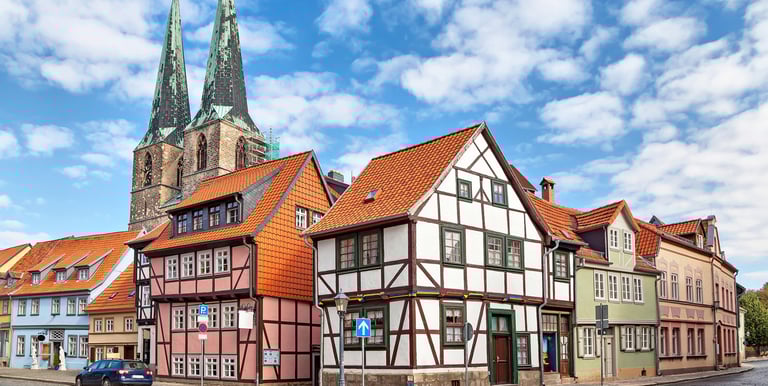
With more than 1,300 half-timbered buildings, this UNESCO town feels like it was painted from a Grimm Brothers’ sketchbook. Mist often rolls down from the Harz Mountains, casting a ghostly glow over its cobbled streets.
Rothenburg ob der Tauber (Bavaria)
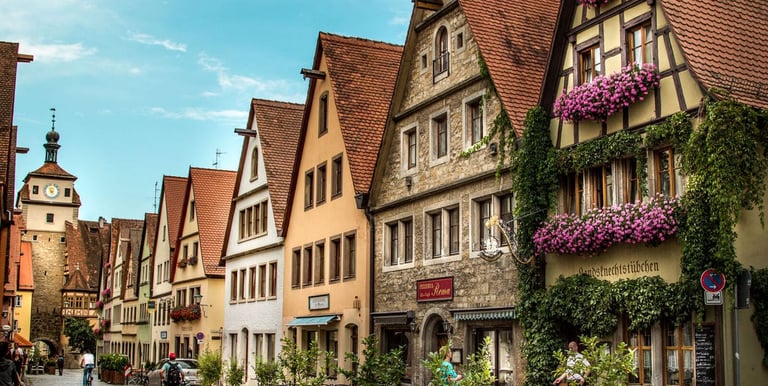
Time stands still behind these medieval walls. At night, lantern-lit alleyways recall centuries of cobblers and candle makers. Visit the Christmas Museum—even in July—and stroll along the ramparts for sweeping views of terracotta rooftops.
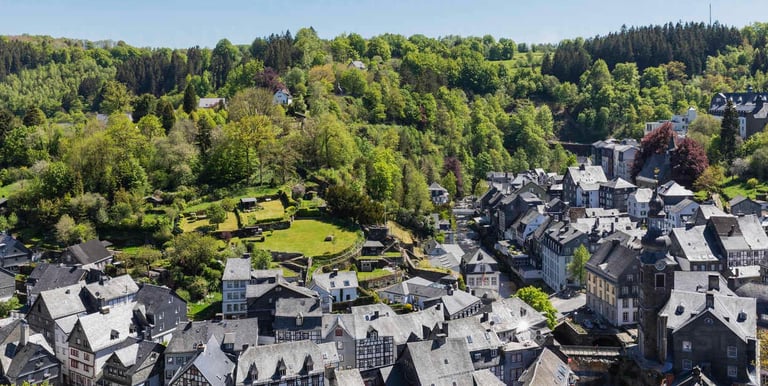
Monschau (North Rhine-Westphalia)
This Eifel gem wraps around a winding stream, its slate-roofed houses leaning lovingly into one another. Perfect for foggy morning strolls and slow sips by the water.
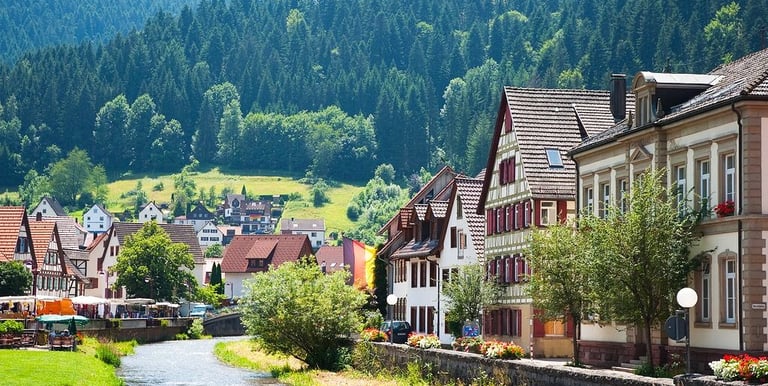
Schiltach (Black Forest)
Where forest and village blur, Schiltach offers quiet corners, timbered beauty, and gentle riversong. Take the timber-frame trail or rest in a riverside café where even the espresso has echoes.
Monschau (North Rhine-Westphalia)
This Eifel gem wraps around a winding stream, its slate-roofed houses leaning lovingly into one another. Perfect for foggy morning strolls and slow sips by the water.
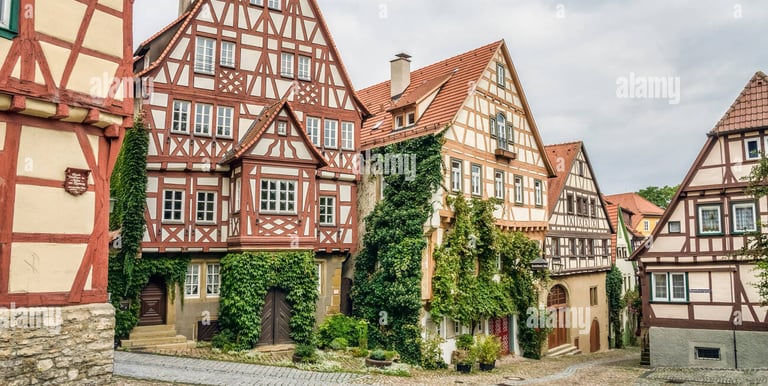
Bad Wimpfen (Baden-Württemberg)
A fusion of Romanesque charm and spa-town tranquility, Bad Wimpfen invites contemplative wandering. Its towers seem to hum ancient hymns when the wind picks up.
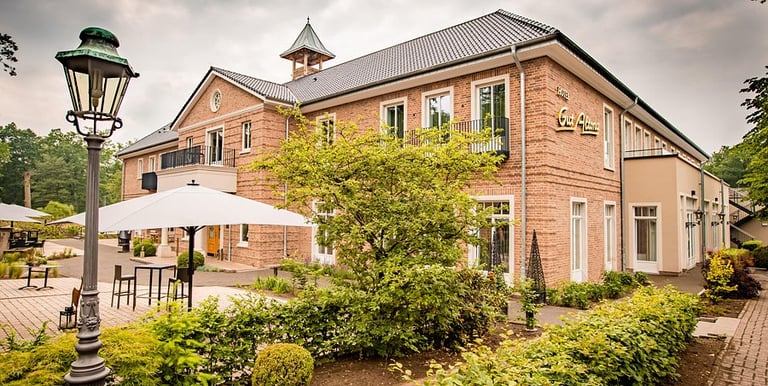
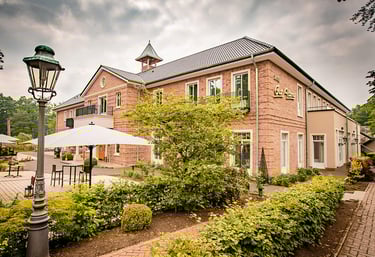
Dötlingen (Lower Saxony)
Quiet, artistic, and wrapped in oak groves, Dötlingen is one of Germany’s oldest villages. Gallery hopping here feels more like a forest stroll than a cultural tour.
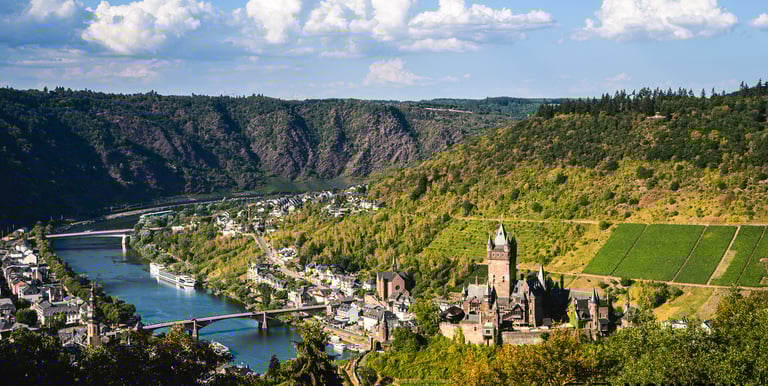
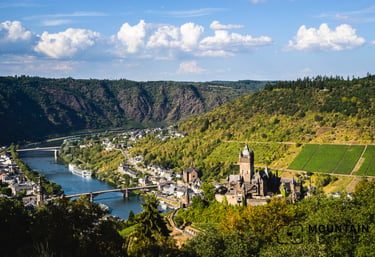
Cochem (Moselle Valley)
A castle crowns this wine-soaked village like a storybook ending. Sample mustard made from medieval recipes and climb into hillside vineyards dotted with butterflies.