🛁 The Perfect Time to Experience Budapest’s Thermal Baths
7/3/20252 min read
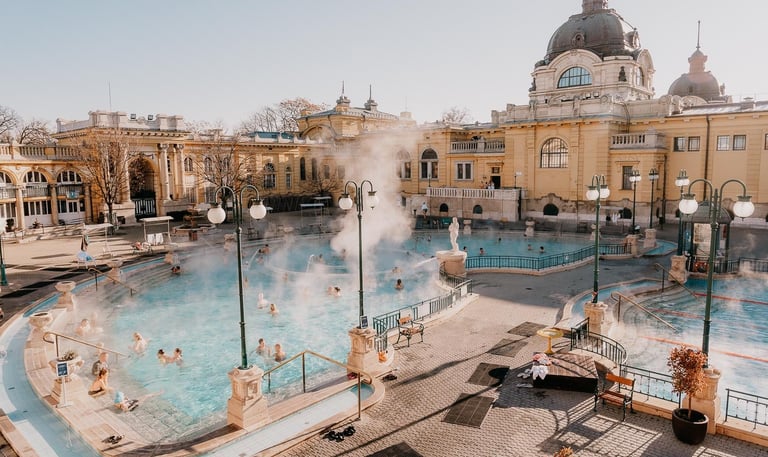
The Story Behind Budapest’s Thermal Baths
Budapest's thermal baths have a rich history dating back to Roman times. The Romans established a regional capital at Aquincum (now part of Óbuda) to utilize the area's thermal springs for bathing and relaxation. These springs were rich in minerals and were believed to have healing properties.
During the Ottoman period (1541–1686), the Turks built several baths that are still in use today, such as the Király Baths. These baths served both bathing and medicinal purposes, continuing the tradition of thermal bathing in the city.
In the early 20th century, Budapest gained its reputation as a "City of Spas." Today, the city boasts numerous thermal baths, each with its unique history and architectural style, offering both locals and visitors a chance to experience the therapeutic benefits of the mineral-rich waters.
The Best Times & Places to Bathe In Budapest
❄️ Winter — Embrace the Steam in Cold Air
Imagine stepping into a steaming outdoor pool as snowflakes float by—it’s pure magic. Winter highlights the contrast between frigid air and warm mineral waters, creating ethereal mist and unforgettable moments.
☀️ Summer — Lively, Bright & Refreshing
In hot summer months, outdoor pools become social hubs. Pools cool you down while majestic architecture glistens under the sun—often with DJs, spa amenities, and vibrant crowds.
🌤️ Shoulder Seasons — Perfect Balance
Spring (March–May) and autumn (September–November) offer mild weather, fewer crowds, and the choice of alternating indoor and outdoor bathing.
🕒 Best Time of Day
Early mornings (7–9 AM) on weekdays are ideal—quiet, peaceful, and reflective before crowds flood in .


Notable Bathhouses
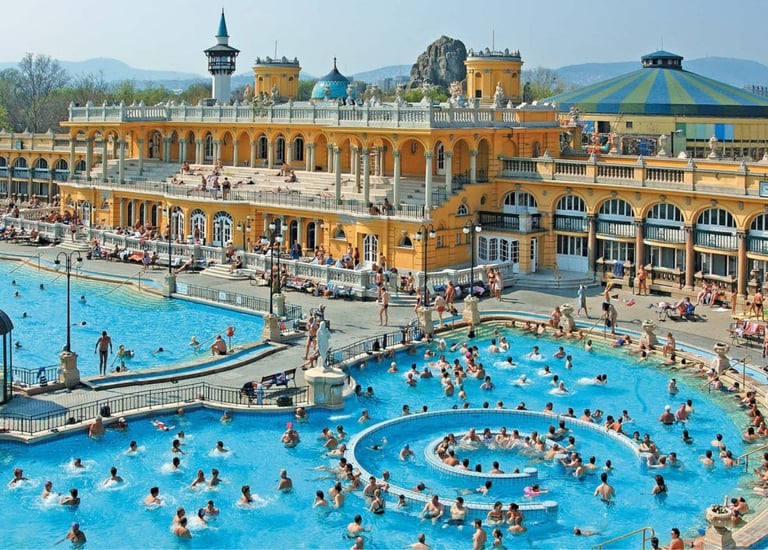
Széchenyi Baths
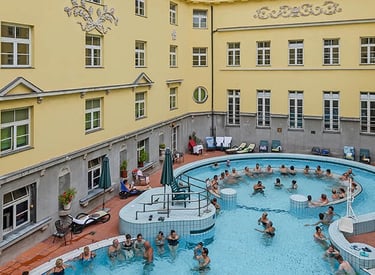
As Europe’s largest medicinal bath with 18 pools, it draws tourists and locals alike. Built above springs discovered in the late 1800s, it’s become a landmark for relaxation and fun (floating chess, anyone?)
Gellért Baths
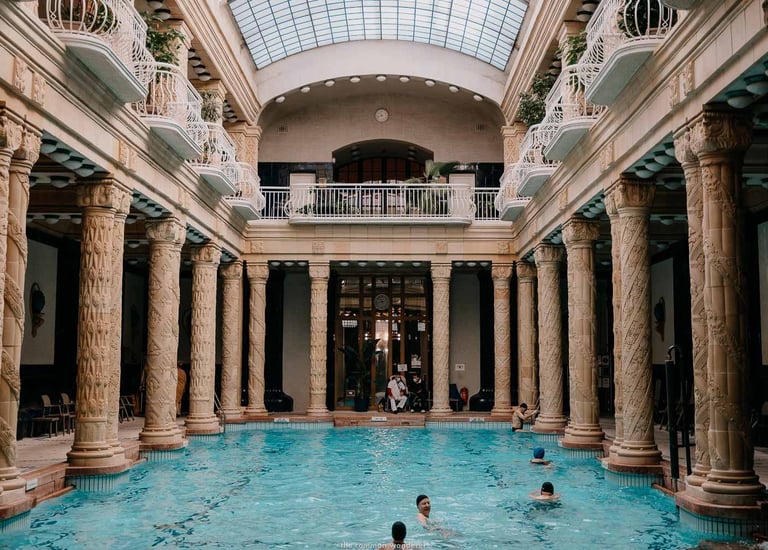
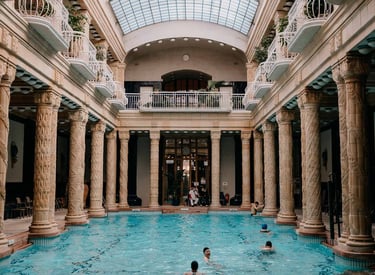
Famed for its stained glass, mosaic tile, and elegant interiors, Gellért invites both therapeutic and aesthetic indulgence. Originally built on the site of medieval and Turkish baths, it later embraced modern spa services.

Rudas Baths
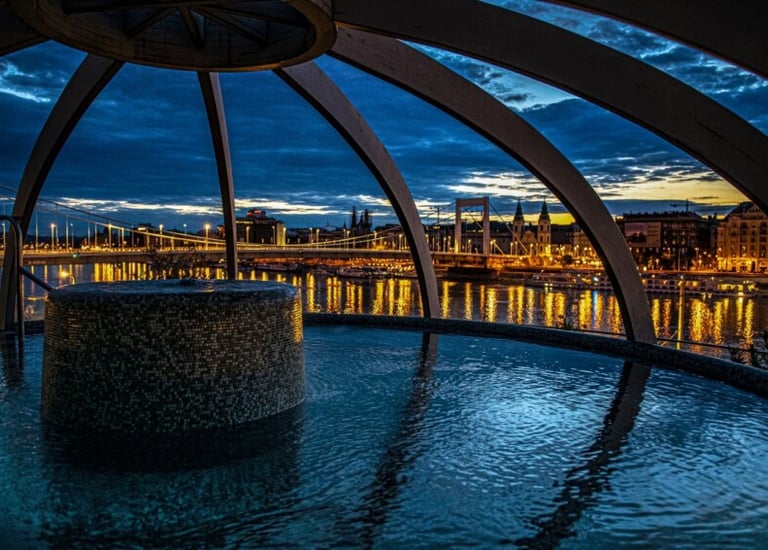
One of the few remaining Ottoman-era baths, featuring an octagonal pool under a domed ceiling. It boasts rooftop baths with stunning views and traditional mixed/gender-segregated timings
Lukács Baths
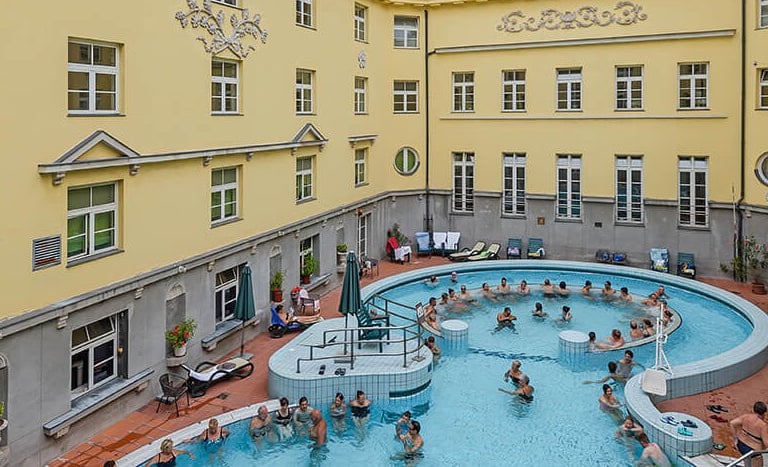
Dating back to the 12th century via Knights Hospitaller and later Ottomans, this bath offers a blend of history and wellness, including a full herbal sauna world